
The Journey of Quality Food Products
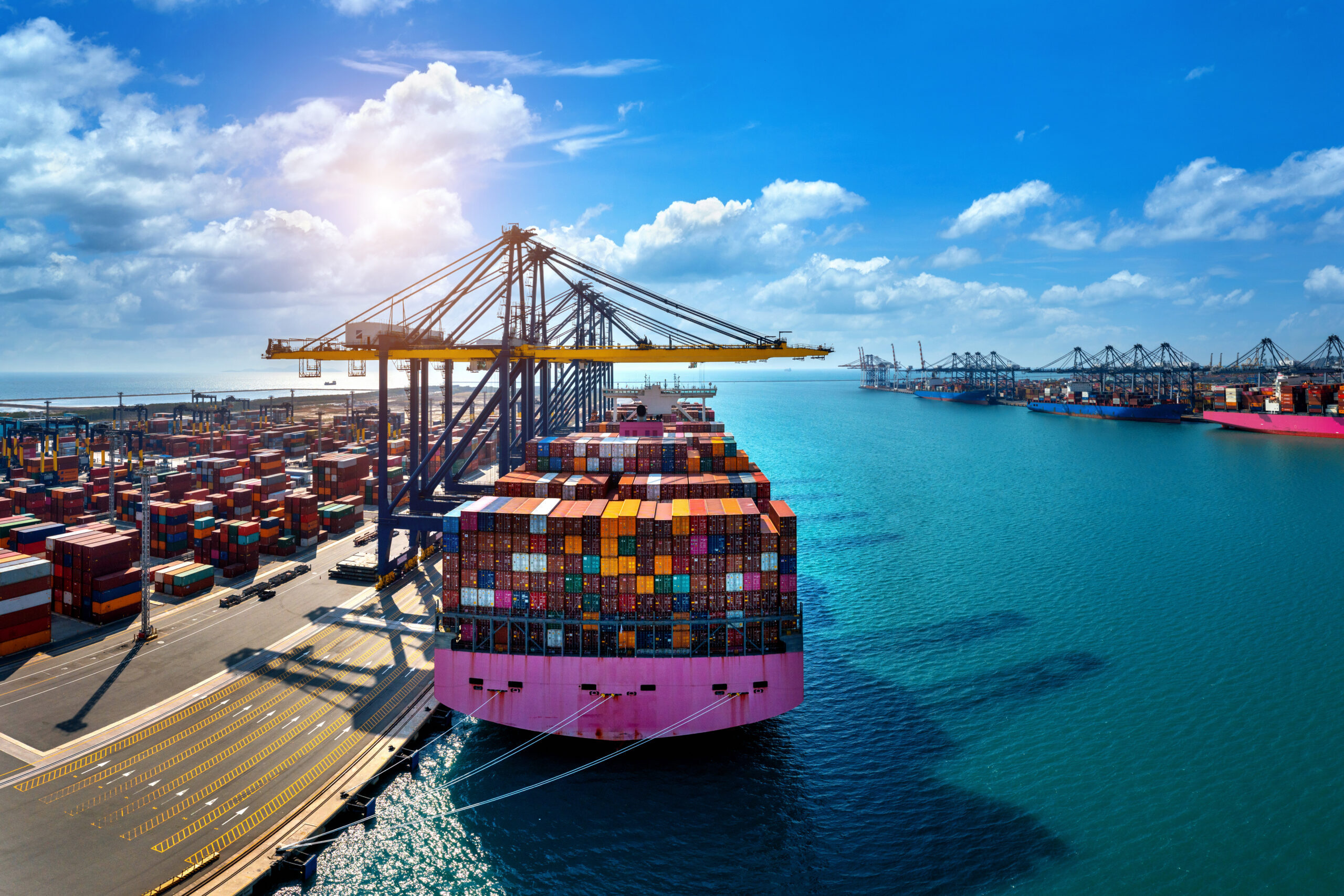
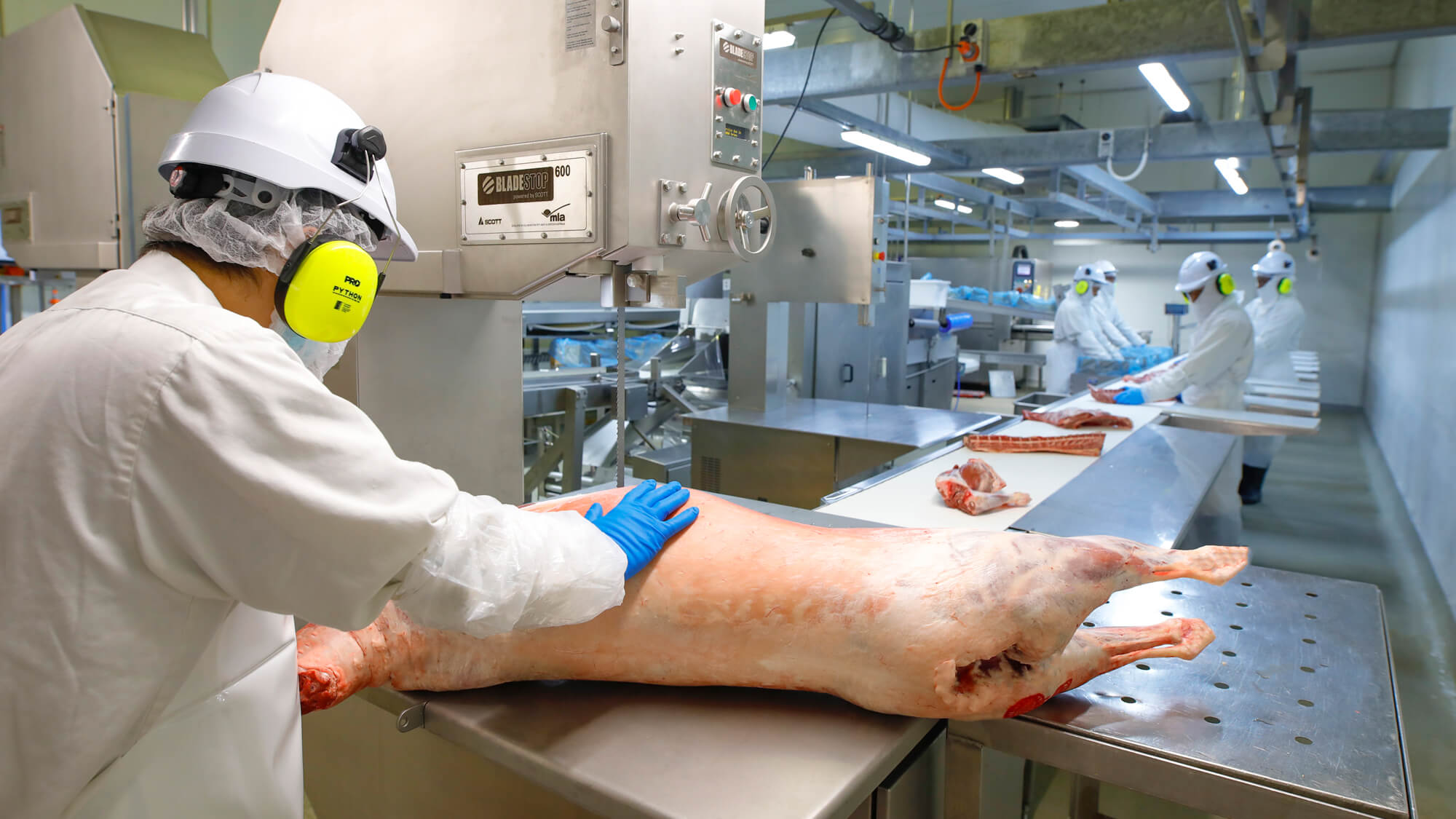
Quality food products go through many stages before reaching customers around the world. From sourcing and processing to storage, transportation, and distribution, each stage plays an important role in maintaining product quality.For international food businesses, having a well-organised supply chain helps ensure that products arrive safely and efficiently while meeting the expectations of customers and markets.
From Sourcing to Distribution
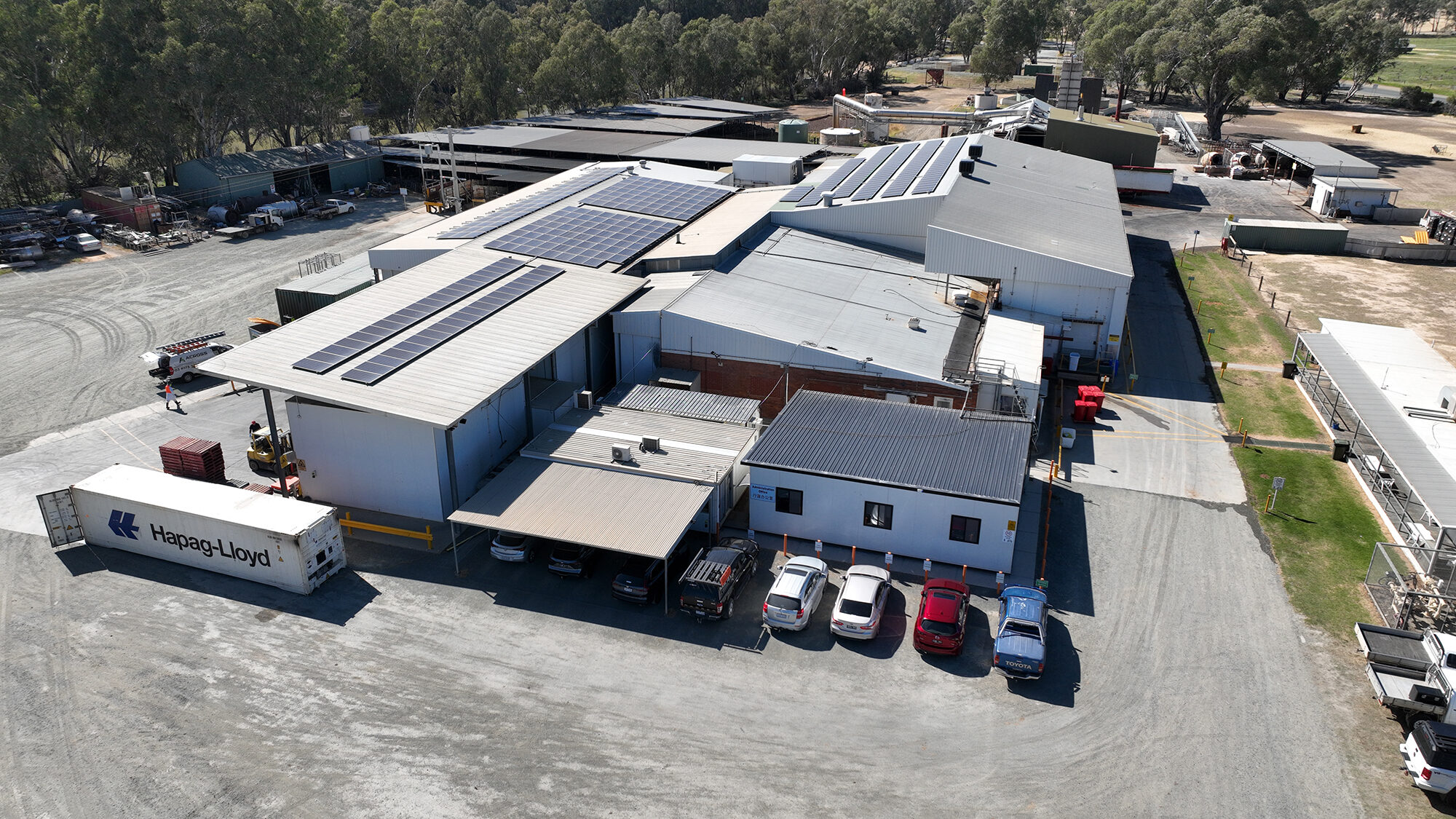
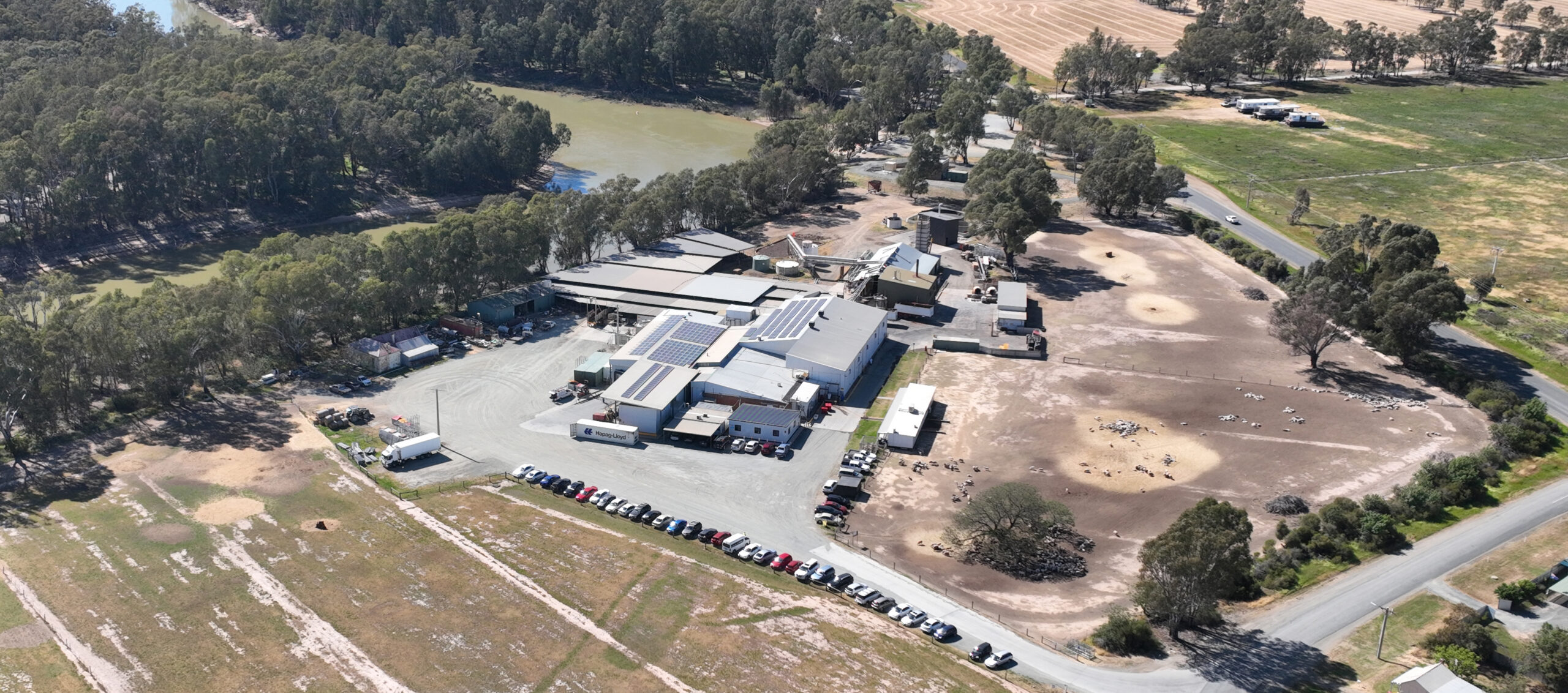
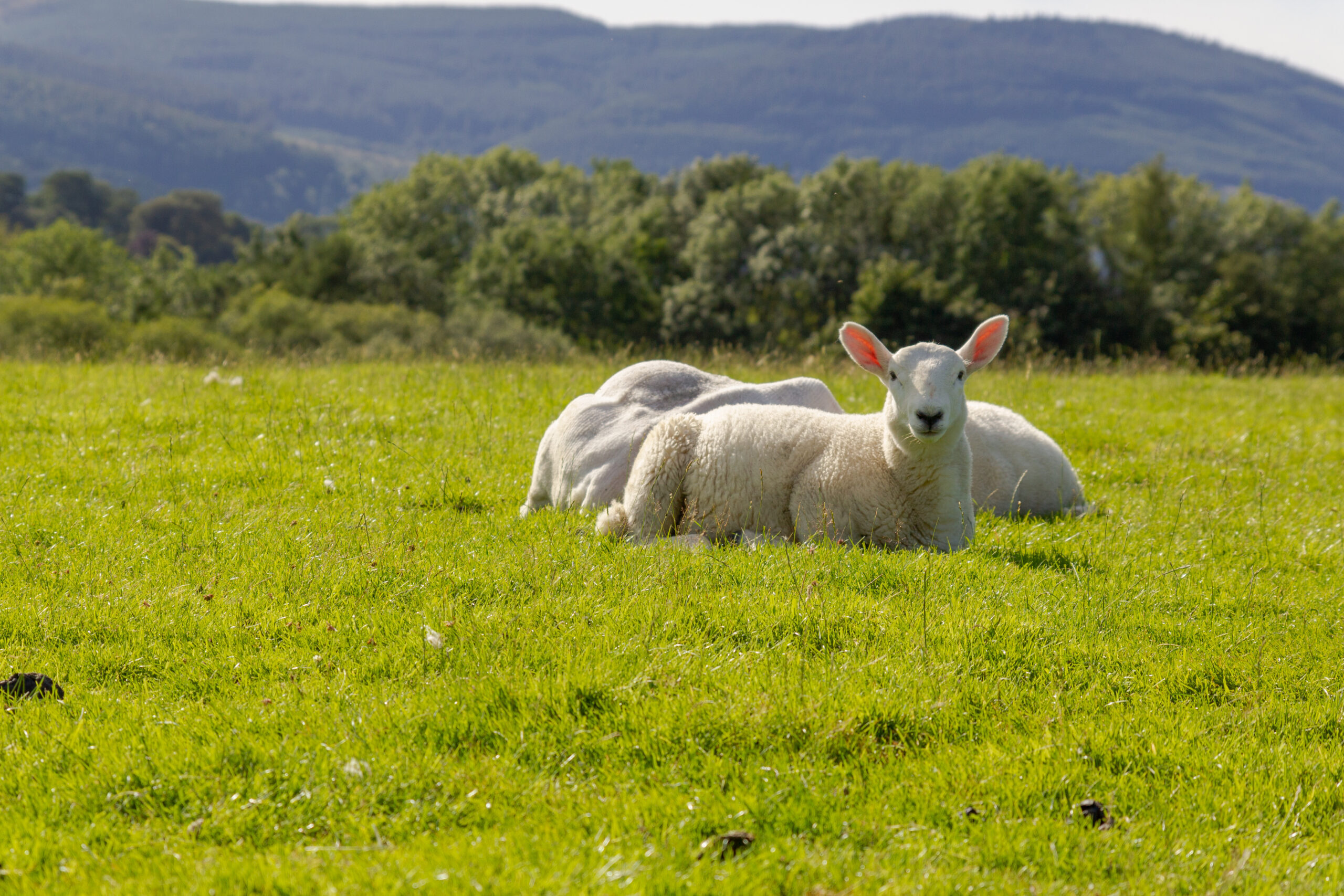
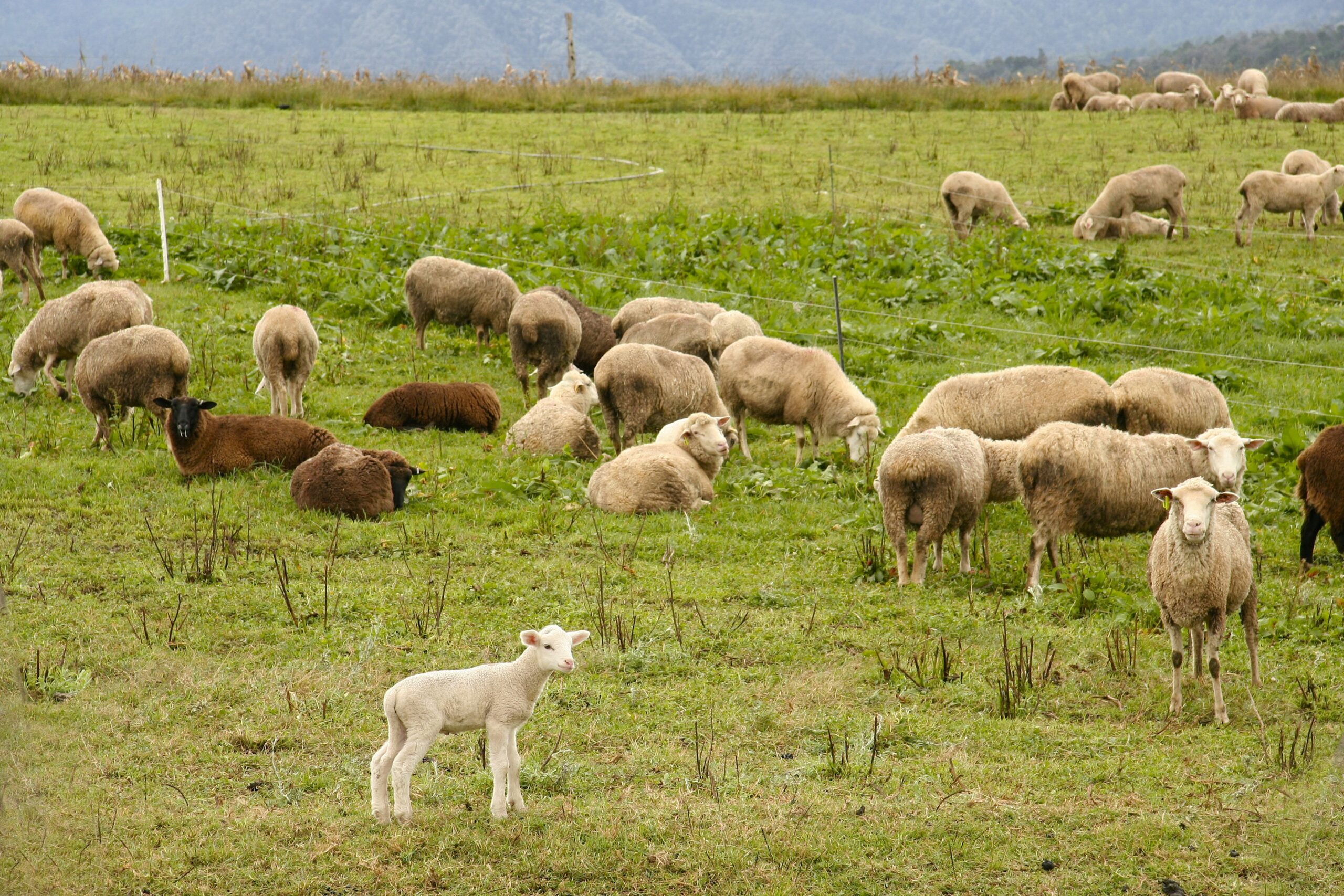
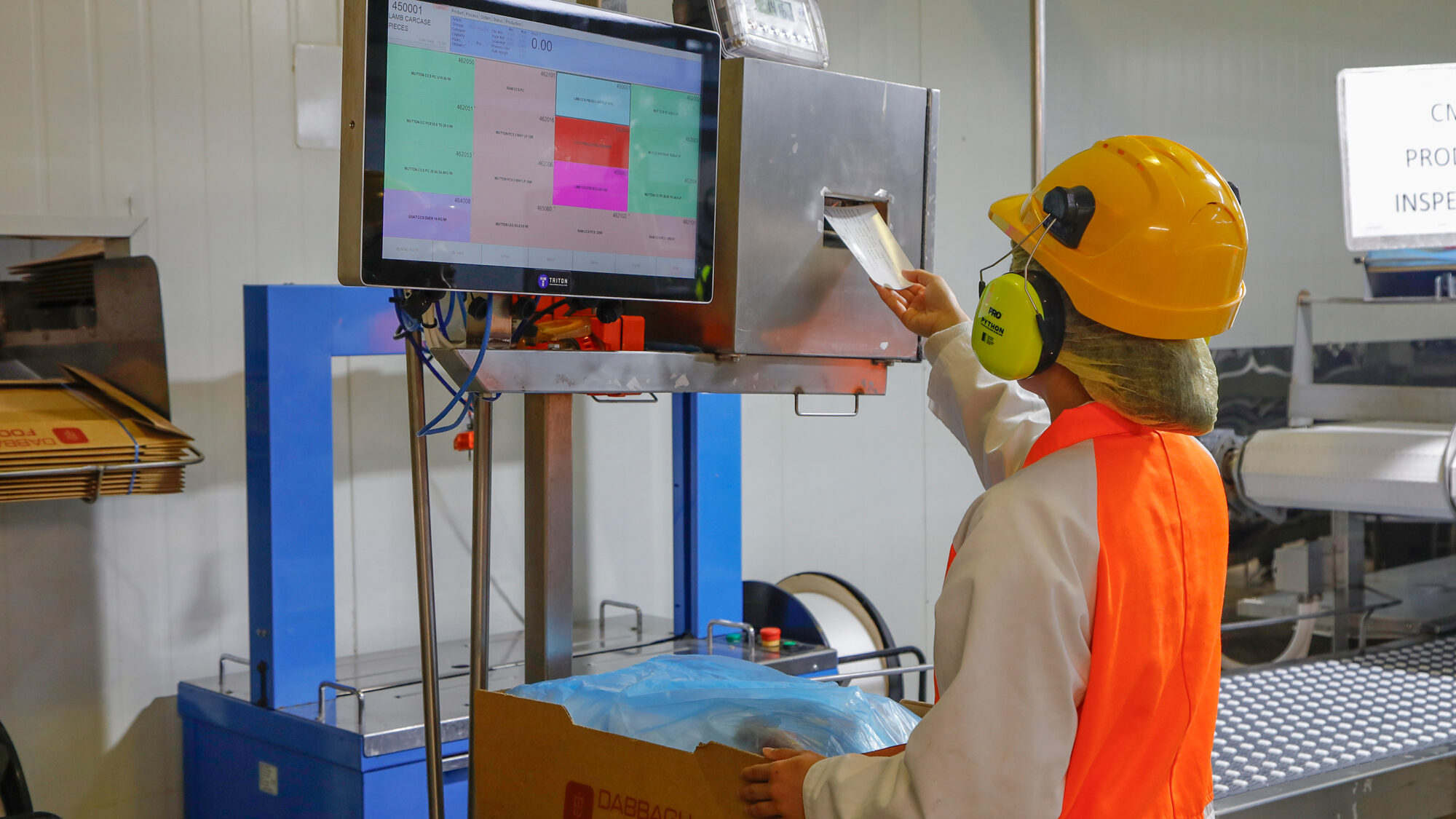
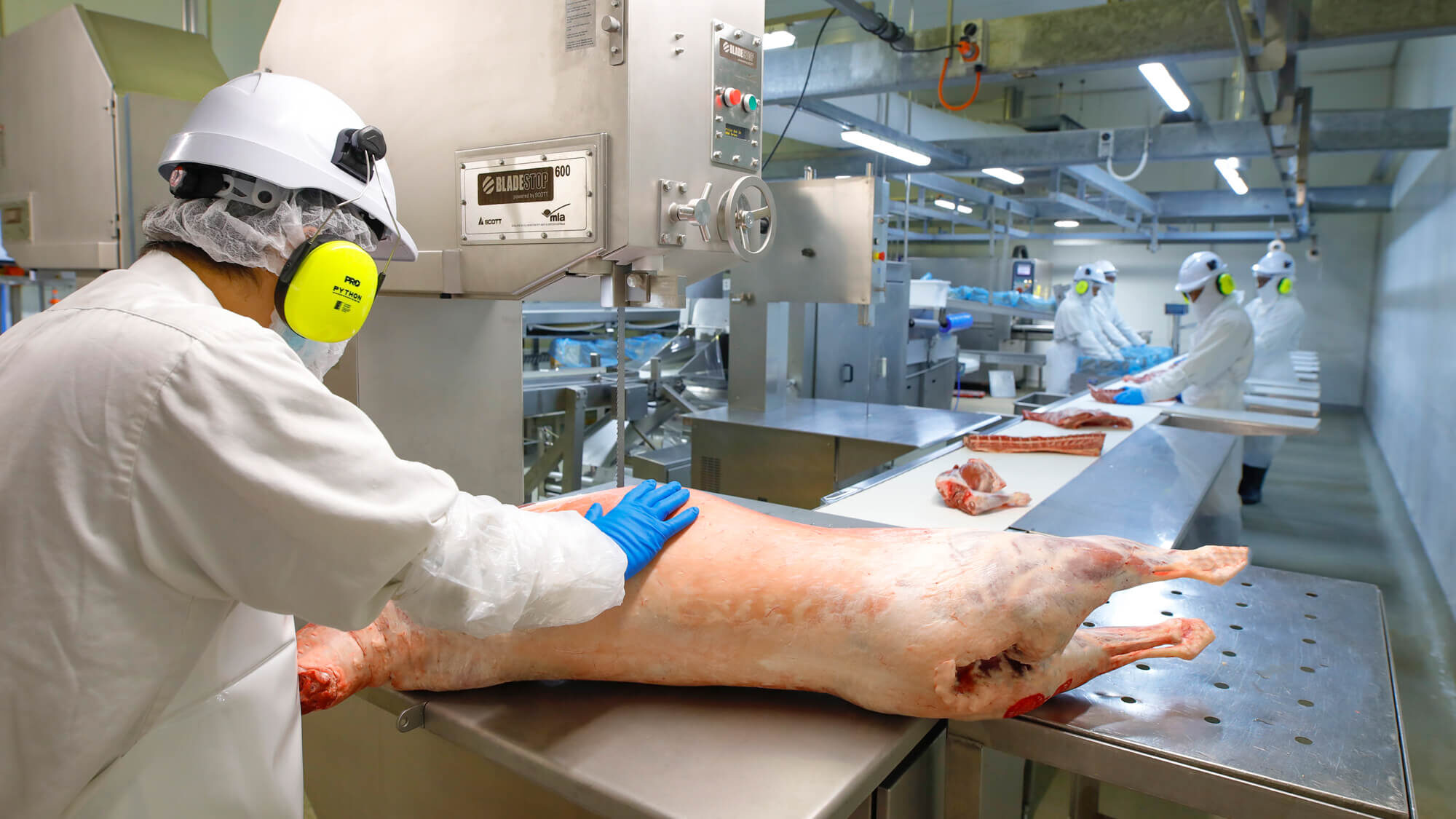
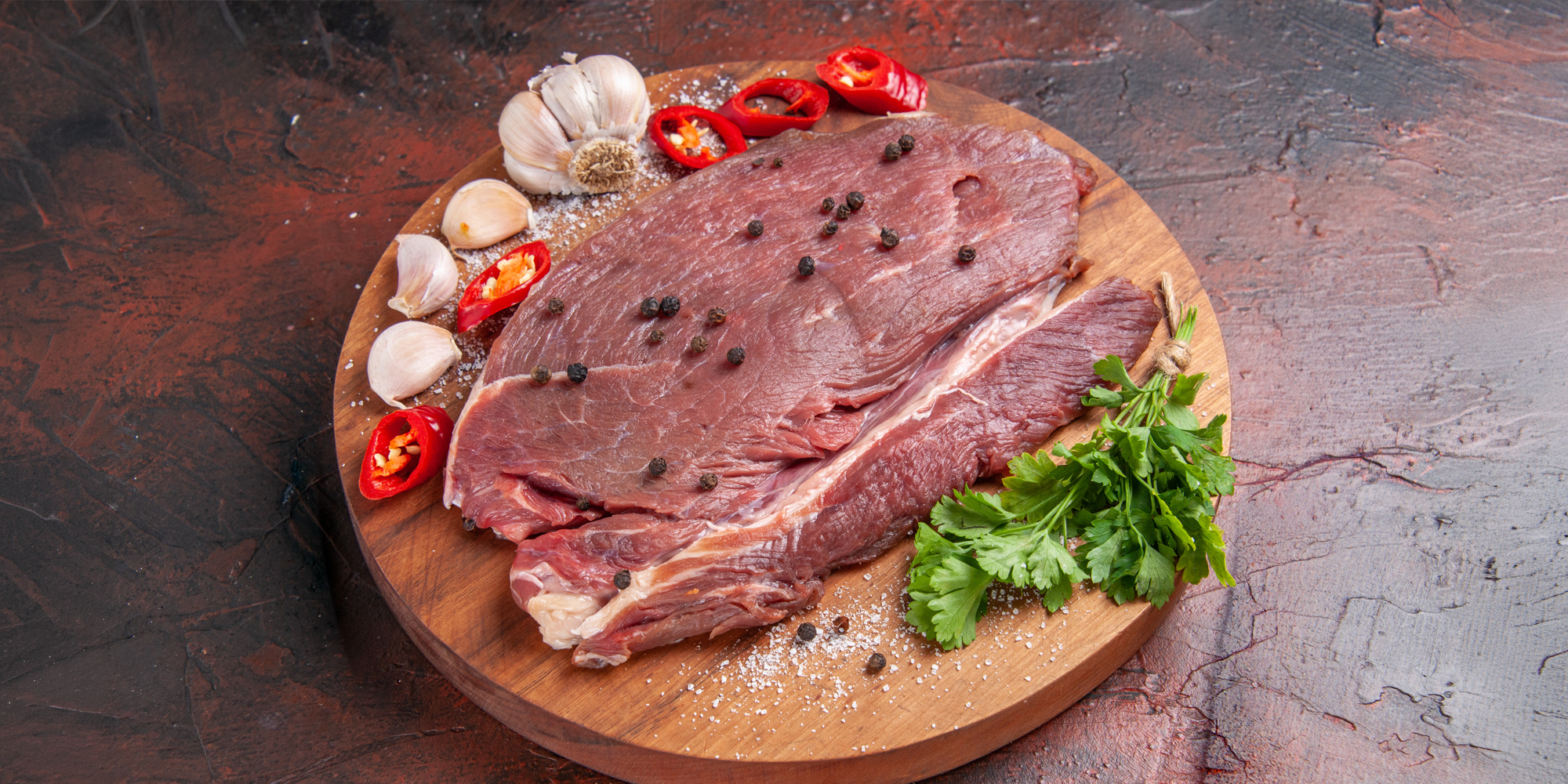
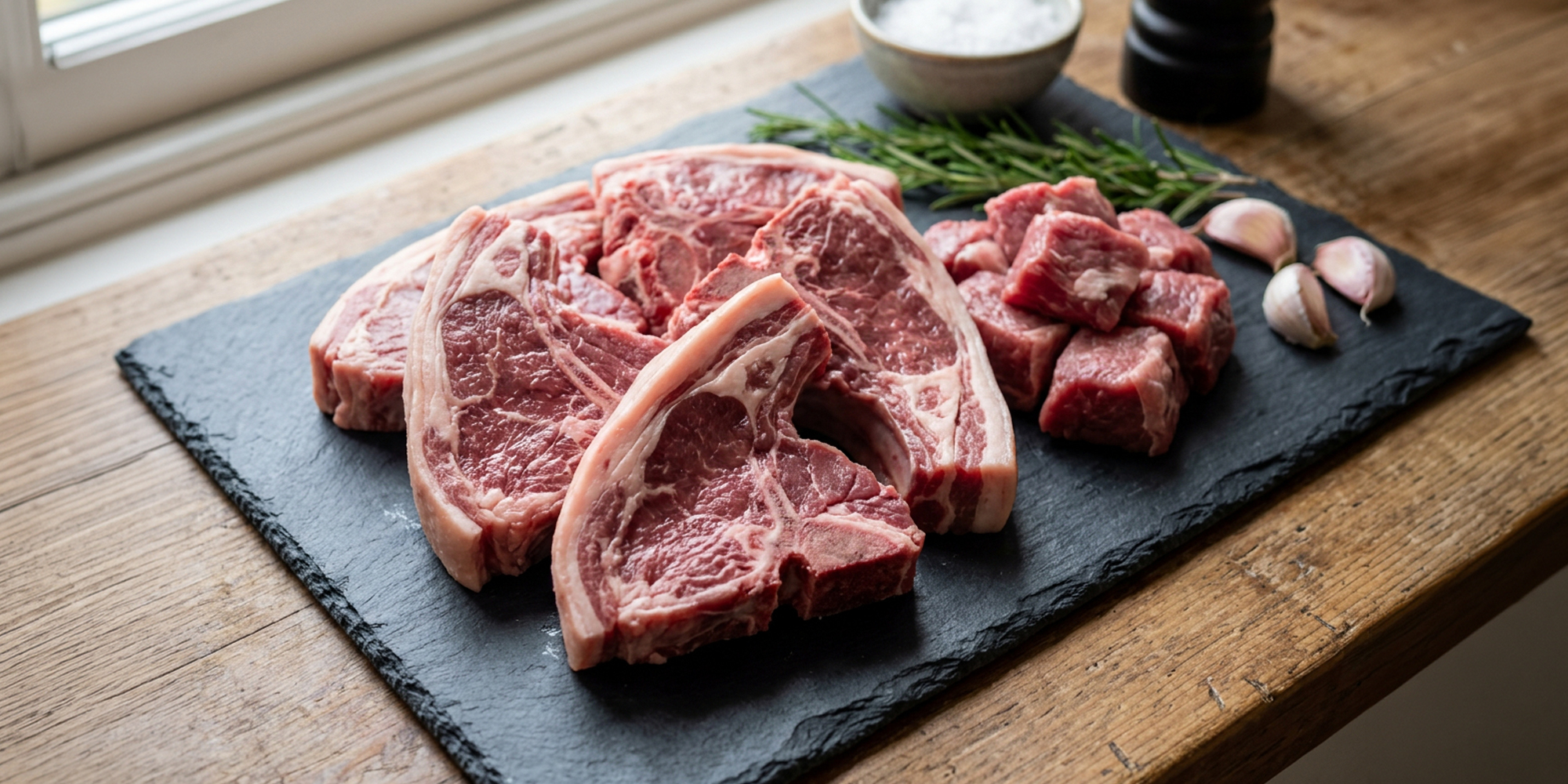
The journey begins with selecting reliable sources and high-quality food products. Careful sourcing helps businesses maintain consistent standards while ensuring that products meet the requirements of different markets.
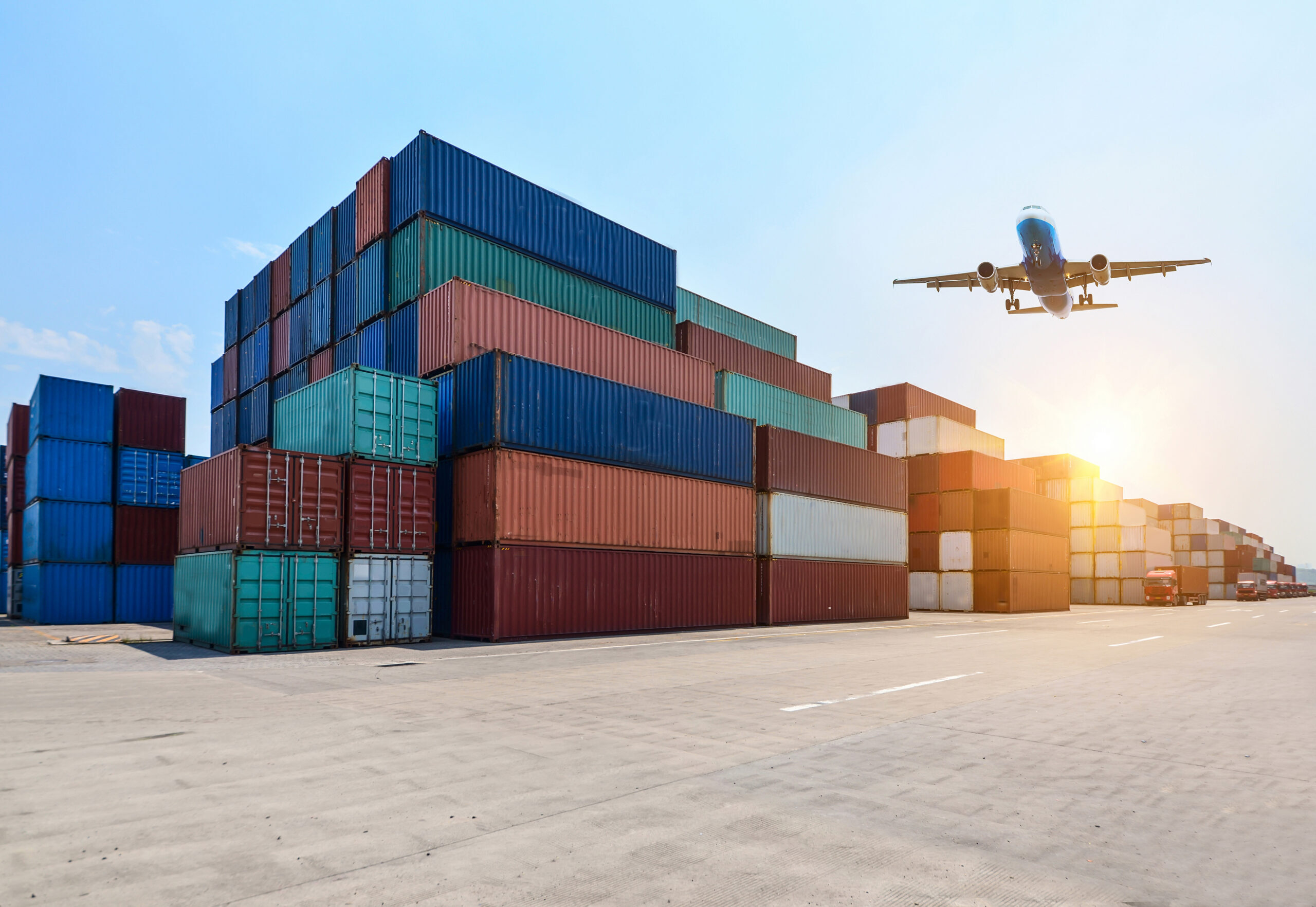
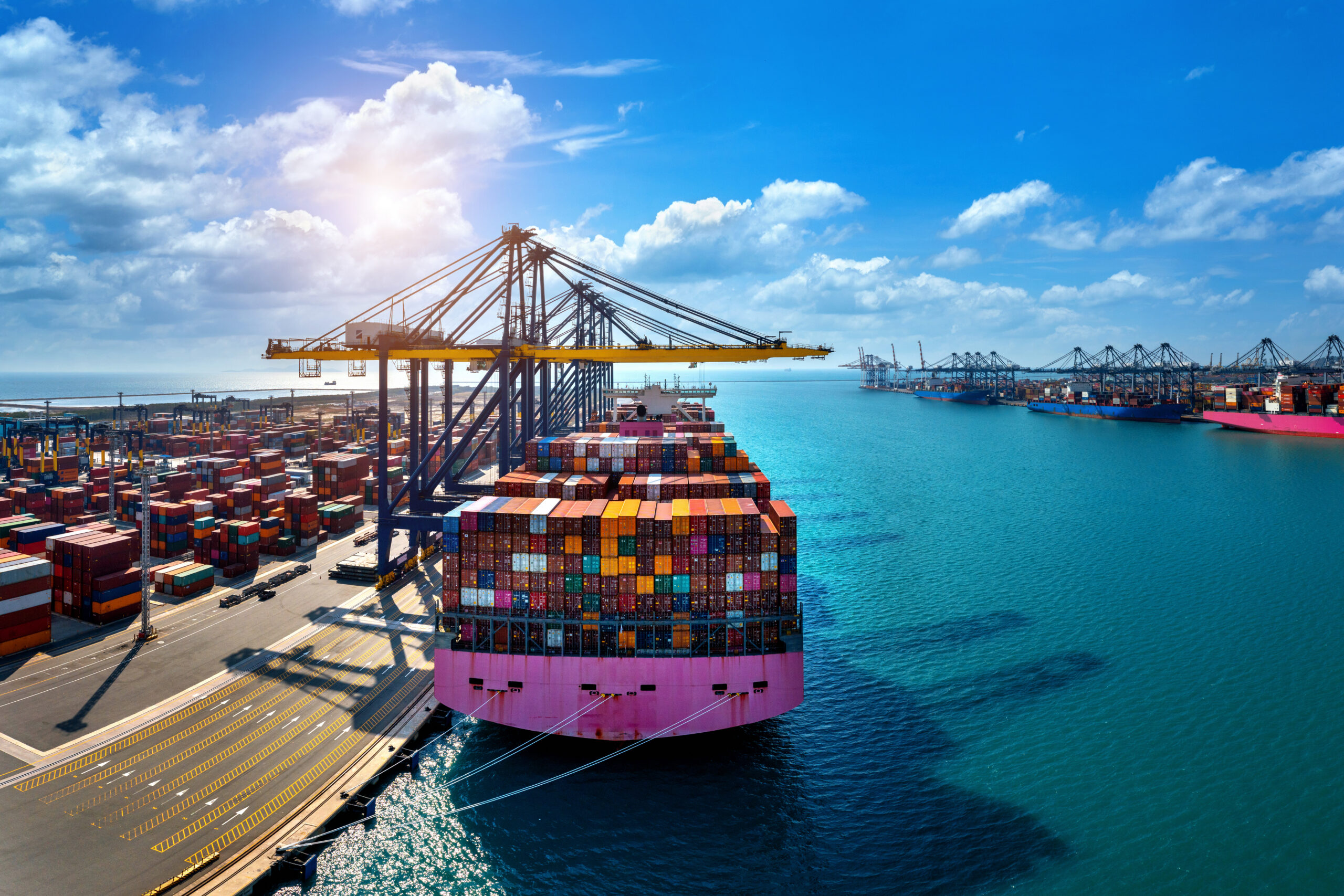
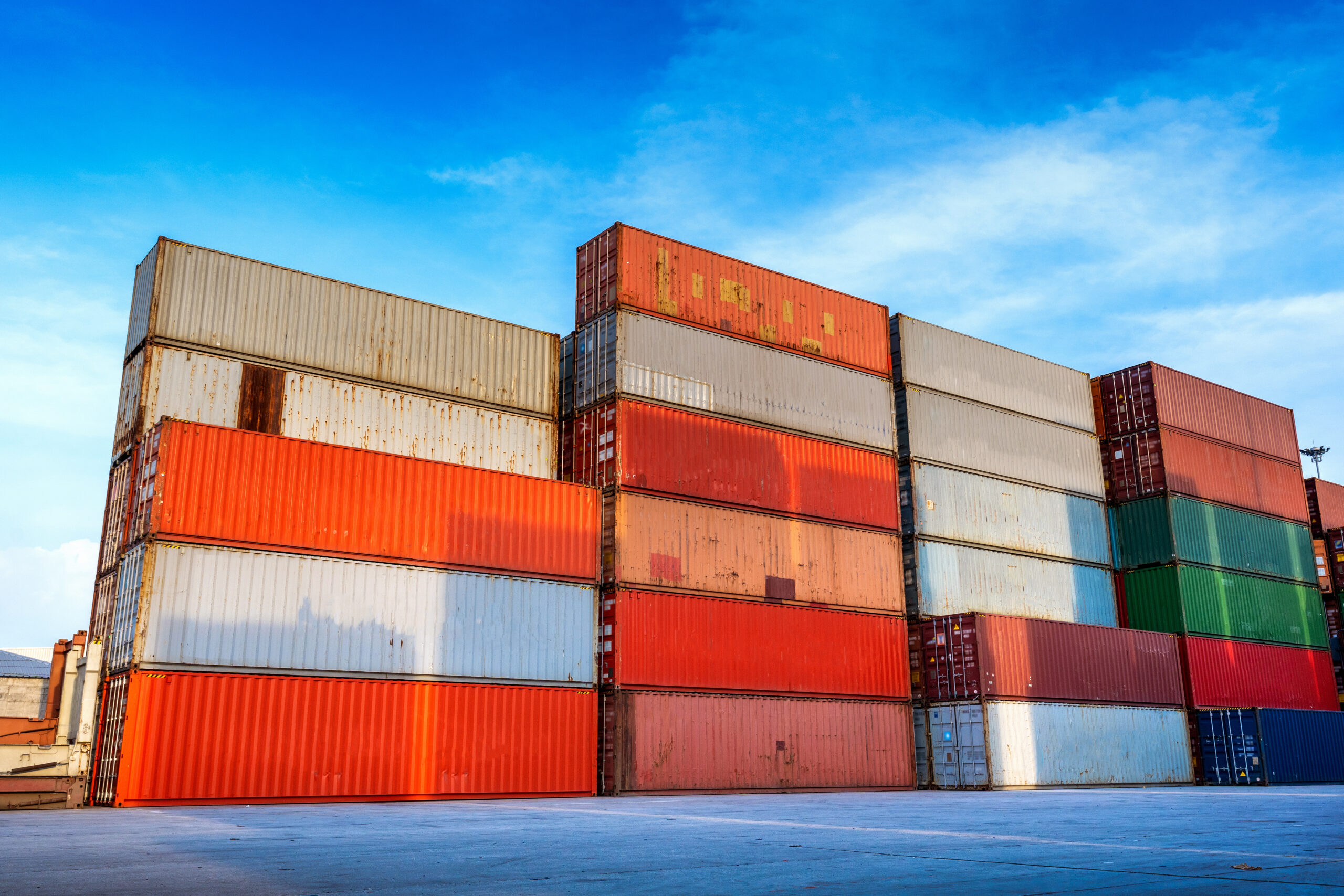
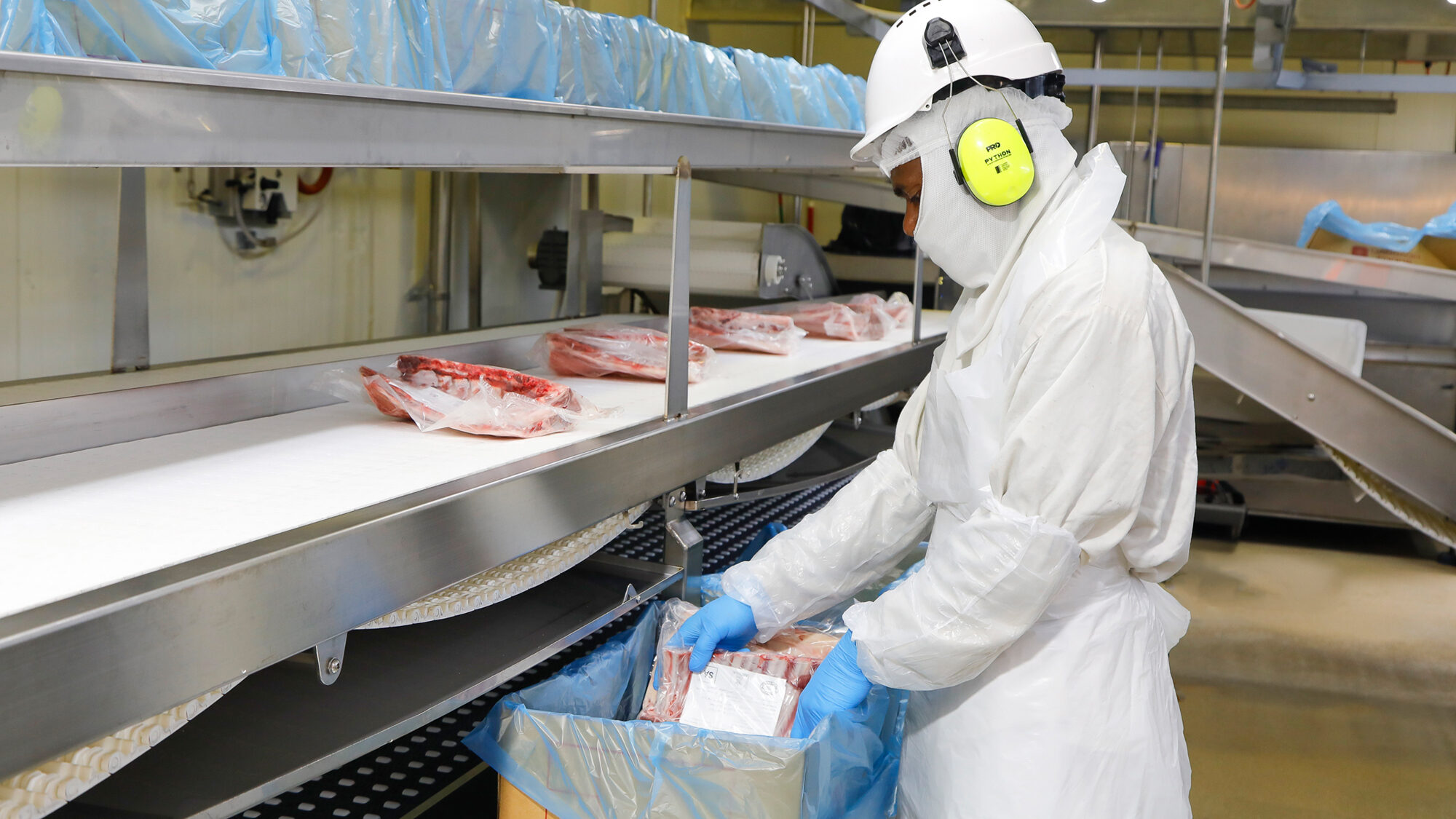
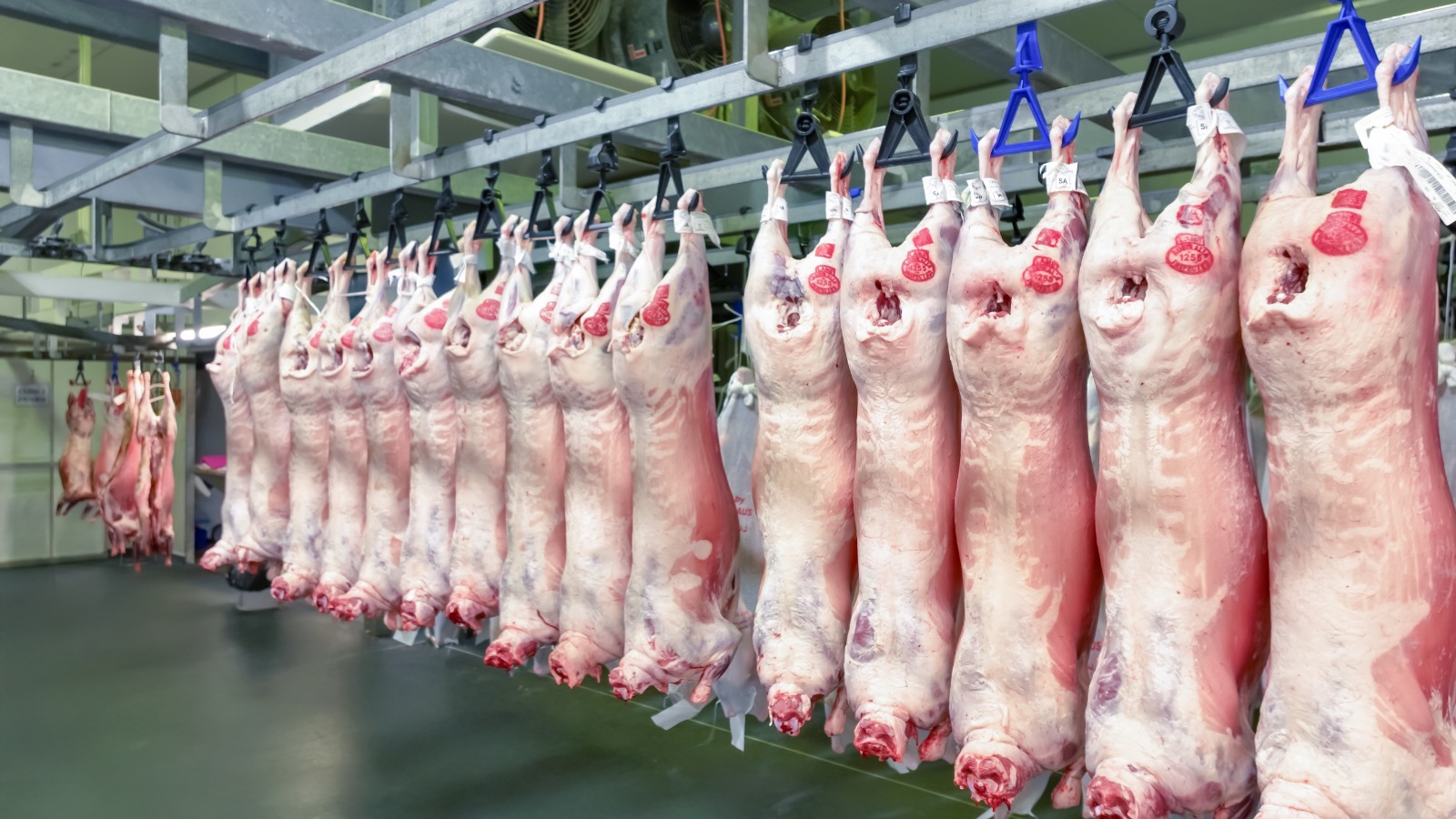
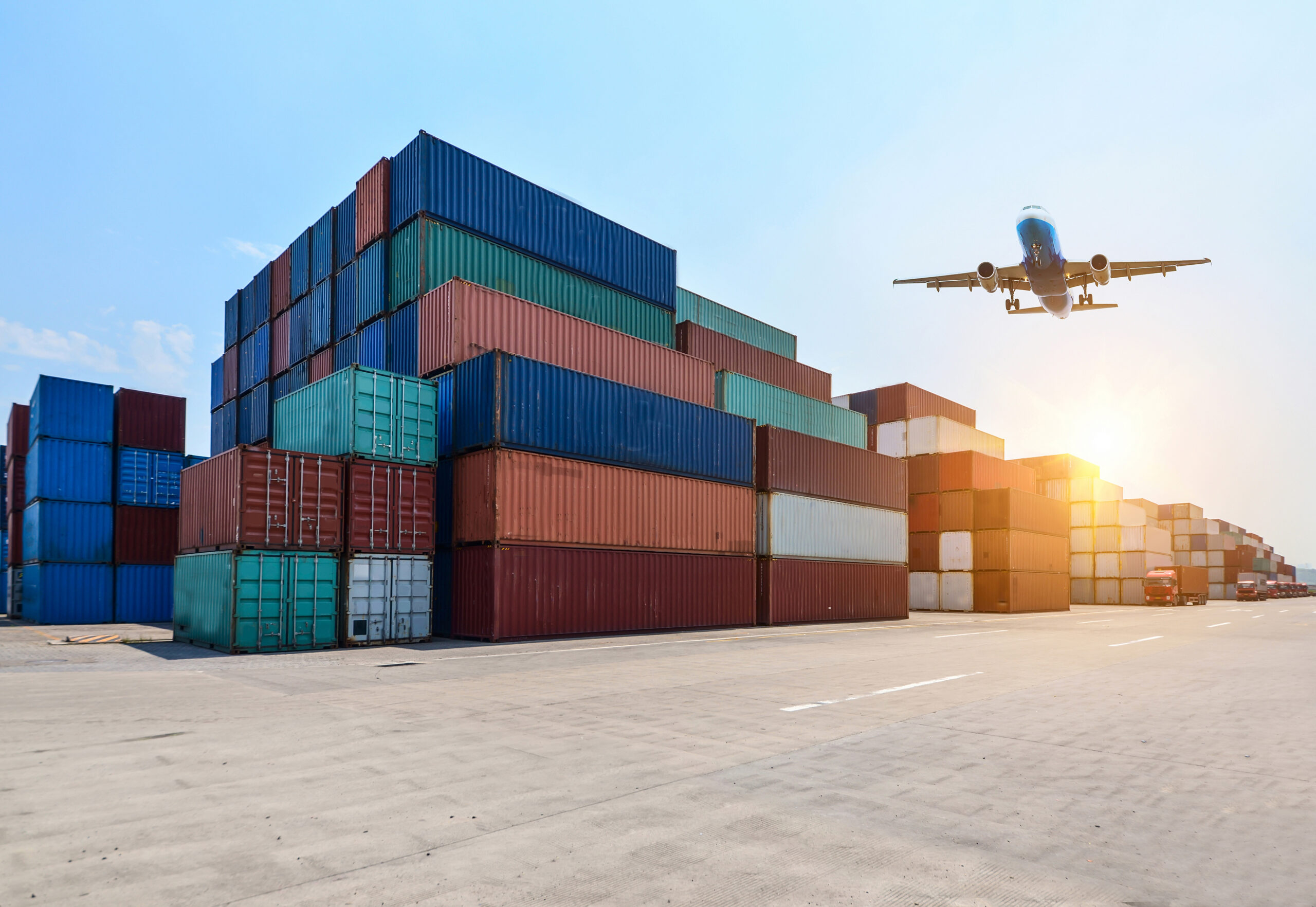
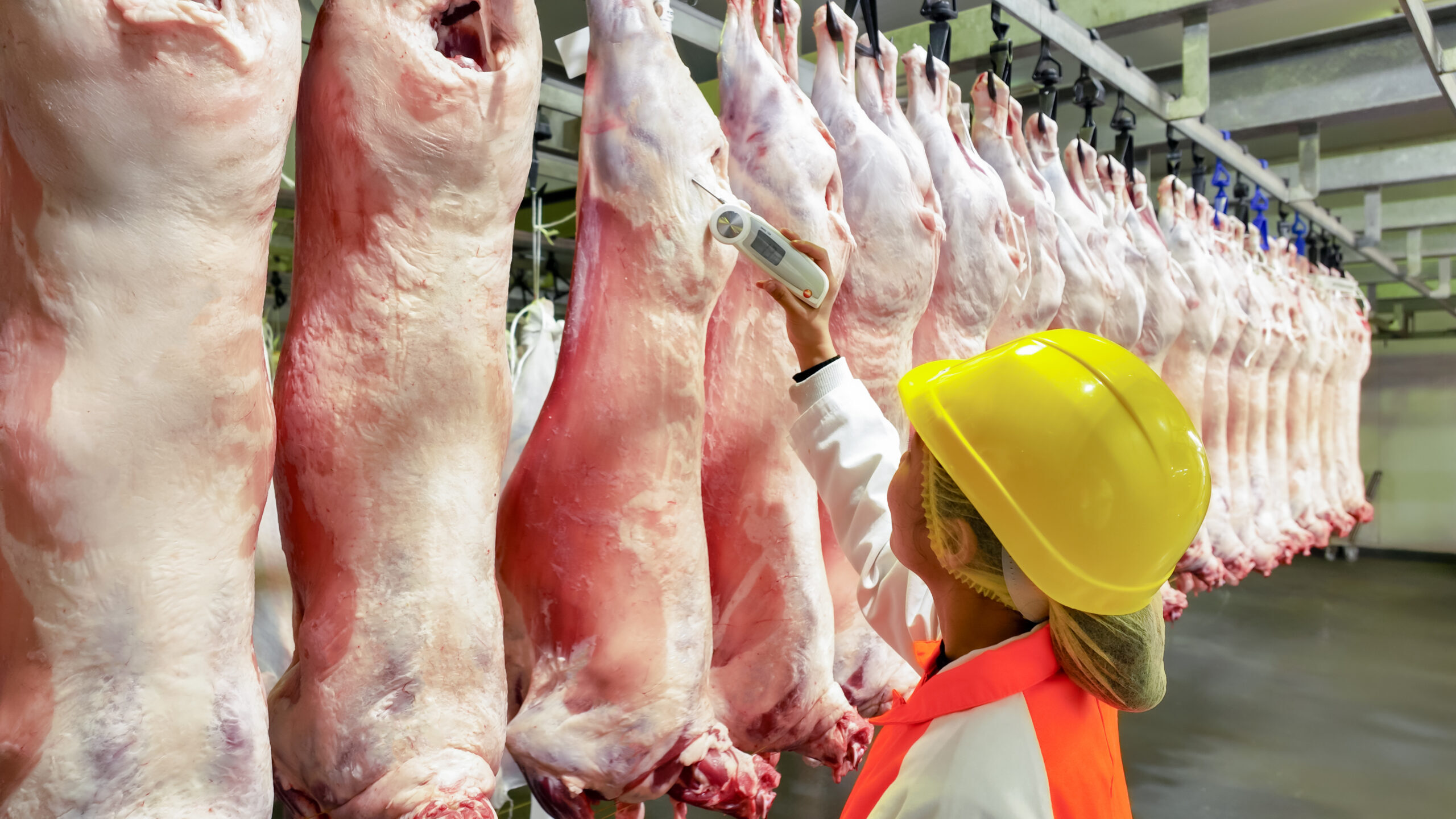
Once products are prepared, proper storage and transportation become essential. Temperature control, handling procedures, and efficient logistics can all contribute to protecting product quality throughout the journey.

Supporting Global Markets
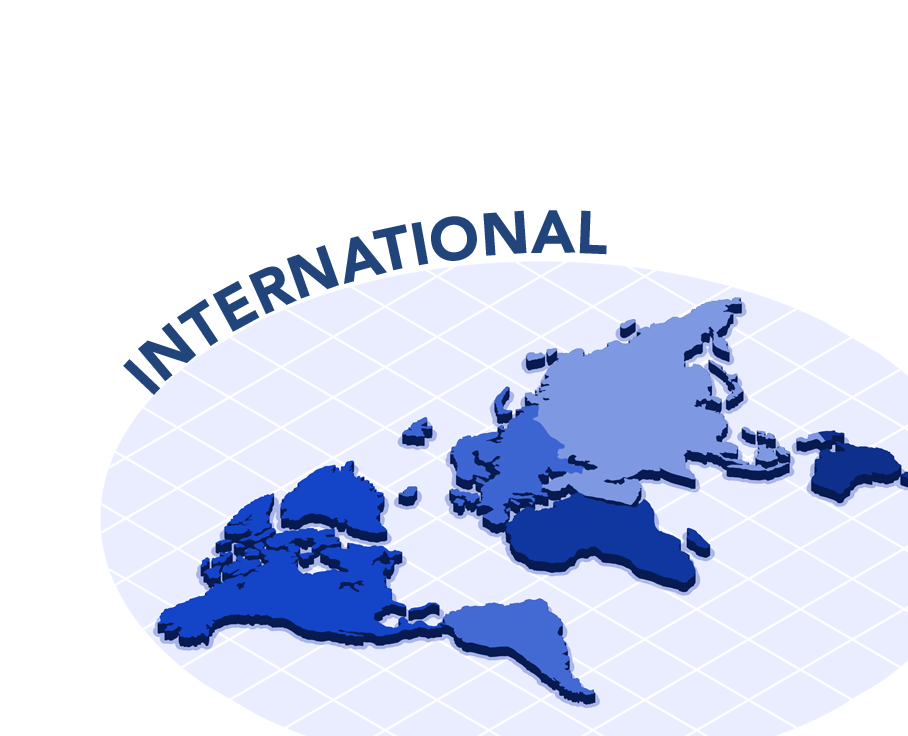
International food distribution requires coordination between suppliers, logistics providers, distributors, and customers. When these elements work together, businesses can respond more effectively to demand and maintain reliable supply across different markets.
For companies working across international food networks, this coordination is an important part of delivering a consistent customer experience.
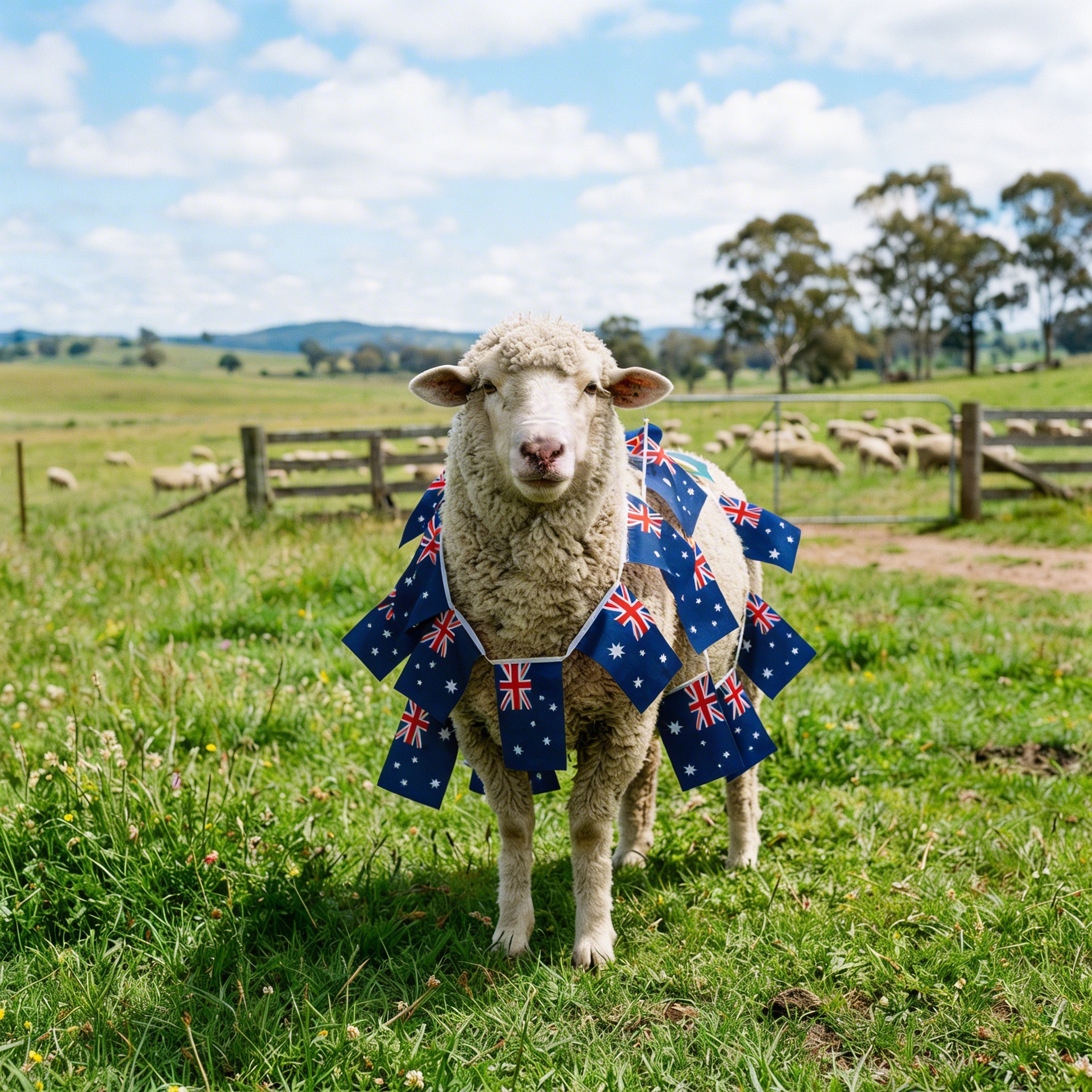
At Dabbagh Foods, experience across sourcing, logistics, and international distribution helps connect quality Australian food products with customers around the world.
From farm to market, every stage matters. A carefully managed supply chain helps ensure that quality is maintained throughout the journey.